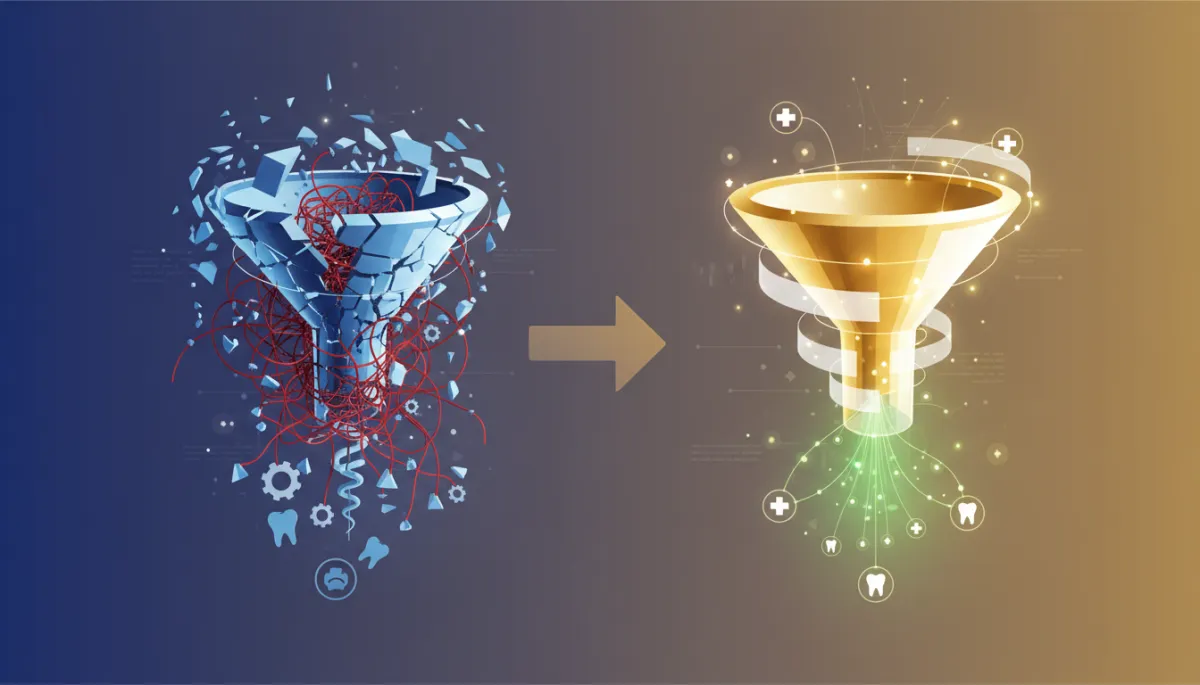
Fix Your Medical Marketing Funnel Today
Healthcare Marketing, Patient Acquisition
Why Most Medical and Dental Marketing Funnels Fail (And the Simple Fix Most Clinics Ignore)
Many clinics spend heavily on ads, websites, and agencies—yet their appointment books still have gaps. The problem usually isn’t a lack of traffic; it’s a broken funnel and one overlooked step that could quietly double their bookings.
Why Most Medical and Dental Marketing Funnels Fail
At a glance, many healthcare and dental practices seem to have all the right pieces in place: a polished website, active social media, a Google Ads campaign, maybe even a patient newsletter. Yet when you trace the journey from first click to confirmed appointment, the leaks become obvious.
1. Funnels Are Built for Clicks, Not for Patients
Most funnels are designed like e‑commerce campaigns: attract attention, drive a click, push an offer. But medical and dental decisions are different. People are not buying a T‑shirt; they are choosing someone to trust with their health, appearance, or pain relief. That means:
Prospects often need reassurance, not just a discount or “Book Now” button.
They may compare several clinics over days or weeks before deciding.
Fear, embarrassment, and cost concerns slow down their decision.
A funnel that only chases clicks but doesn’t nurture trust will always underperform, no matter how good the ads look.
2. Landing Pages Ask Too Much, Too Soon
Many clinics send ad traffic to a generic homepage or a landing page that immediately demands a full commitment: full medical form, insurance details, multiple fields, and a long questionnaire. For someone still in the “just looking” phase, this is overwhelming.
When the first step feels heavy, people abandon the process. The clinic blames the ads, but the real issue is friction. The funnel is not aligned with where the patient is in their decision journey.
3. No Systematic Follow‑Up on Leads
This is where most healthcare funnels quietly fail. A prospect fills out a contact form, requests a quote, or messages the clinic on social media. Someone at the front desk responds—if they notice it in time. If they are busy with in‑person patients, that lead may sit for hours or days. By then, the prospect has already booked elsewhere or lost momentum.
Without structured follow‑up, leads fall through the cracks:
No automatic confirmation or reminder emails after an inquiry.
No SMS reminders to complete booking or attend a consultation.
No structured call‑back process for “not ready yet” leads.
From the clinic’s side, the funnel “doesn’t work.” From the patient’s side, the clinic simply never followed up in a way that made booking easy and timely.
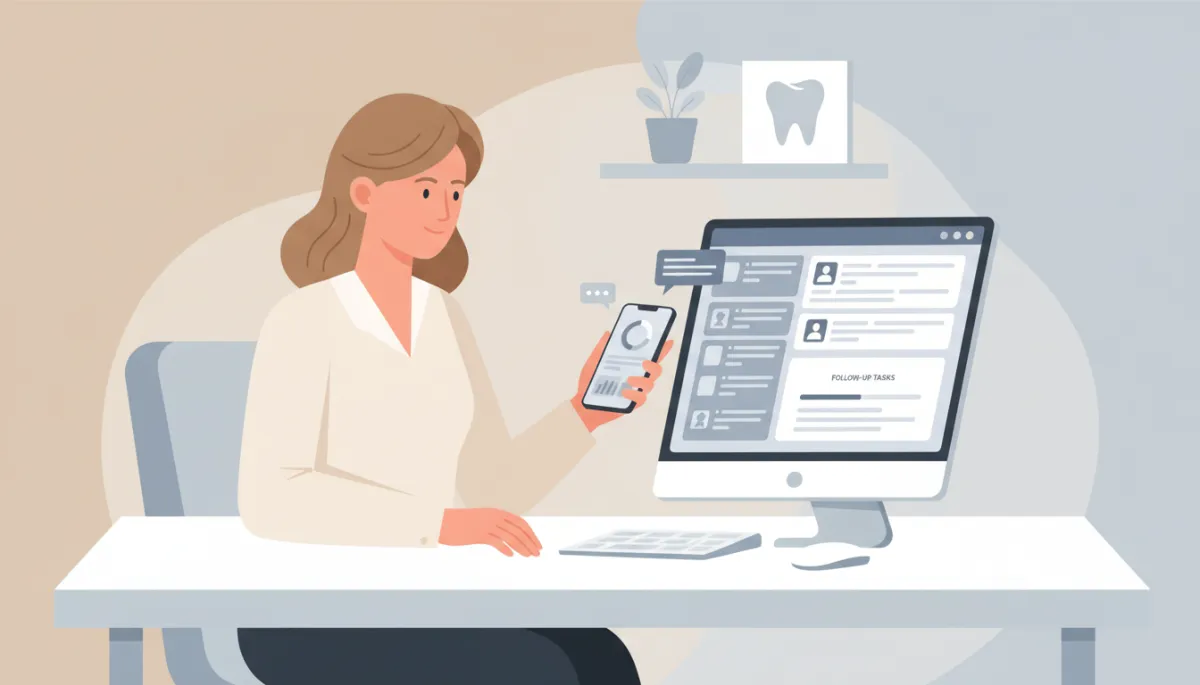
Clinics that systemize follow‑up often convert the same leads into twice as many bookings.
4. No Clear Ownership of the Funnel
Another quiet killer: nobody really “owns” the funnel. The agency handles ads, the web designer manages the site, reception handles calls, and the practice owner assumes it’s all working. But no one is responsible for tracking:
How many inquiries came in this week.
How many of those became appointments.
How many actually showed up and accepted treatment.
Without this visibility, it’s impossible to see where the funnel is breaking and what to fix first.
The Simple Fix Most Clinics Ignore: A Structured, Automated Follow‑Up Layer
The most powerful, and most ignored, fix is not a new ad platform or a fancy redesign. It is adding a structured follow‑up layer between “lead” and “booked appointment” that runs consistently, even when your team is busy.
1. Make the First Step Light and Fast
Instead of demanding full medical history on the first click, start with a micro‑commitment:
“Request a call back” form with name, phone, and preferred time.
“Free 10‑minute suitability check” via phone or video.
“Get a treatment guide” in exchange for email and first name.
This reduces friction and dramatically increases the number of people who enter your funnel—people you can now follow up with properly.
2. Automate the First 7–10 Days of Communication
Once someone opts in, they should never feel ignored. A simple automation sequence can:
Send an instant confirmation email or SMS thanking them for reaching out and explaining the next step.
Deliver one or two short educational pieces that ease fears and answer common questions.
Remind them to book or confirm their consultation with a direct, low‑friction link.
This sequence can run through your practice management software or a simple CRM, but the key is consistency: every lead receives the same high‑quality experience, regardless of how busy the front desk is.
3. Give Your Team a Clear Follow‑Up Playbook
Automation doesn’t replace your team; it supports them. The other part of the “simple fix” is a repeatable follow‑up playbook:
How quickly to call new inquiries (for example, within 15 minutes during business hours).
How many attempts to make before marking a lead as inactive.
Simple, patient‑friendly scripts that focus on listening, not hard selling.
When everyone knows exactly what to do, the funnel stops depending on one superstar receptionist and becomes a reliable system.
4. Track the Right Numbers, Not Just Ad Spend
Finally, assign someone—often the practice manager—to review a few simple metrics each week:
Number of new inquiries.
Percentage of inquiries that become booked appointments.
No‑show rate and how reminders affect it.
Often, simply improving the conversion from inquiry to booking by a few percentage points delivers a bigger return than any new ad campaign.
Turning a Leaky Funnel into a Predictable Patient Pipeline
Most medical and dental marketing funnels don’t fail because “marketing doesn’t work” in healthcare. They fail because clinics focus on the front end—ads, design, impressions—while ignoring the quiet middle of the journey, where unsure prospects either become loyal patients or disappear forever.
By lightening the first step, automating the first days of communication, giving your team a clear follow‑up playbook, and tracking a handful of meaningful numbers, you apply the simple fix most clinics overlook. You stop chasing more clicks and start converting the interest you already have into booked, attended, and satisfied patients.
