AI Revolutionizing Dental Clinics in 2026
Healthcare, Dental Clinics, Artificial Intelligence, Patient Experience
How AI Systems Are Transforming Dental Clinics & Healthcare Providers in 2026
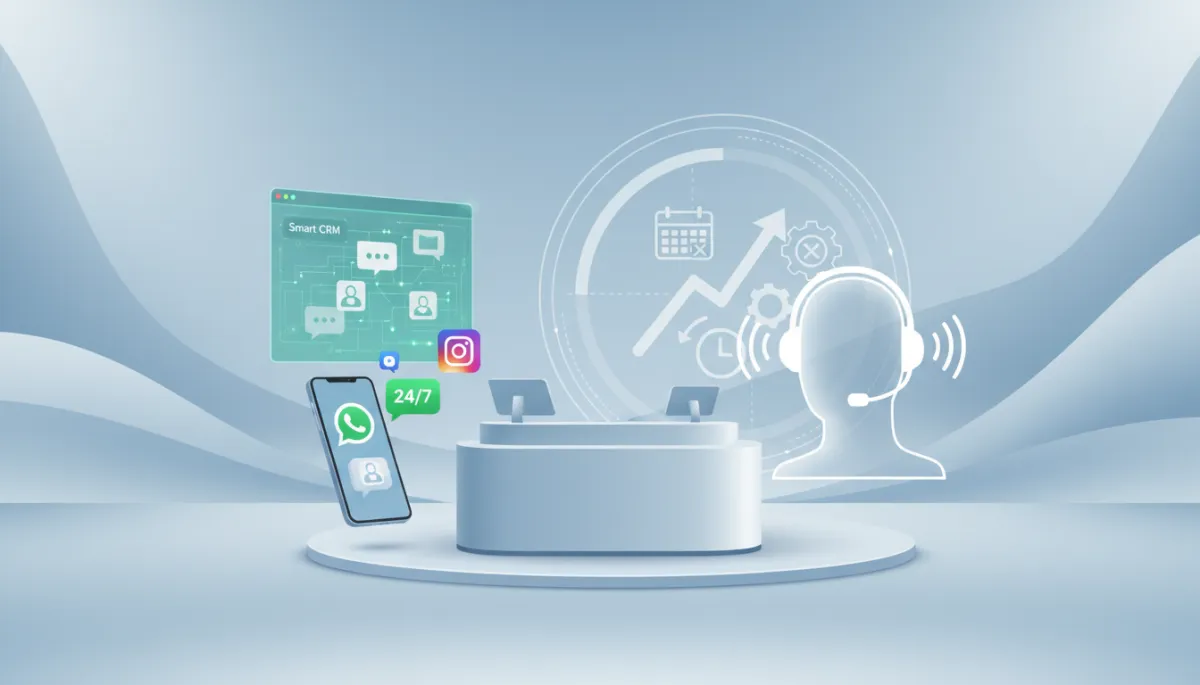
In 2026, artificial intelligence is no longer a future concept for dental clinics and healthcare providers. It is a practical growth engine driving full schedules, smoother operations, and better patient experiences. From 24/7 automated messaging to AI voice agents and smart CRMs, modern practices are using AI to acquire more patients, reduce no-shows, and keep their chairs consistently booked. At the center of this shift, Modern Medical Marketing is helping clinics deploy complete AI-powered systems that turn interest into confirmed appointments at scale.
Always-On Patient Communication: 24/7 Replies on WhatsApp and Instagram
Today’s patients expect instant answers on the channels they already use. By 2026, AI-powered messaging systems on WhatsApp and Instagram have become essential for dental and medical practices that want to compete. These intelligent assistants respond to inquiries at any hour, provide procedure information, share pricing ranges, and guide patients to book appointments without human intervention.
Drawing on advances in healthcare AI and natural language processing, these systems understand common questions about cleanings, implants, cosmetic dentistry, or follow-up care and respond in a professional, compliant tone. They can verify insurance details, suggest available time slots, and send secure booking links directly in the conversation. Instead of losing leads overnight or on weekends, clinics convert social media interest into scheduled visits in real time, contributing to steadier patient acquisition and a fuller calendar.
AI Voice Agents: Intelligent Call Handling Without the Bottlenecks
Phone calls remain a critical touchpoint for many patients, especially for higher-value treatments or complex medical questions. AI voice agents now answer and route calls with natural, conversational speech, handling high volumes that would overwhelm a traditional front desk. Using the same core technologies that are transforming broader healthcare patient management, these agents can greet callers, verify identity, capture intake information, and offer appointment options based on real-time scheduling data.
For dental clinics, this means fewer missed calls, shorter wait times, and a more consistent experience. AI voice agents can automatically trigger reminder calls or messages, confirm attendance, and offer quick rescheduling options. This proactive communication is a powerful lever in reducing no-shows, which directly impacts revenue and daily productivity. Staff are freed to focus on in-person patient care while the AI ensures every call is answered professionally and efficiently.
Smart CRMs: Turning Patient Data into Predictable Growth
Underpinning these front-end tools are smart customer relationship management (CRM) systems designed specifically for healthcare. By 2026, AI-enhanced CRMs integrate data from online forms, phone calls, messaging apps, and practice management software to create a unified patient profile. This mirrors the broader healthcare trend toward interoperable, data-driven patient management highlighted in recent AI healthcare outlooks from organizations such as McKinsey and Healthcare IT News.
For clinics, this translates into practical advantages. Smart CRMs can score leads based on intent signals, automate follow-up sequences, and flag patients who are overdue for hygiene visits or recall appointments. Predictive analytics identify which patients are most likely to accept treatment plans or cosmetic upgrades, enabling targeted outreach that feels personalized rather than promotional. Automated reminders across SMS, email, and messaging platforms help ensure patients remember and keep their appointments, directly supporting fewer no-shows and a more reliable daily schedule.
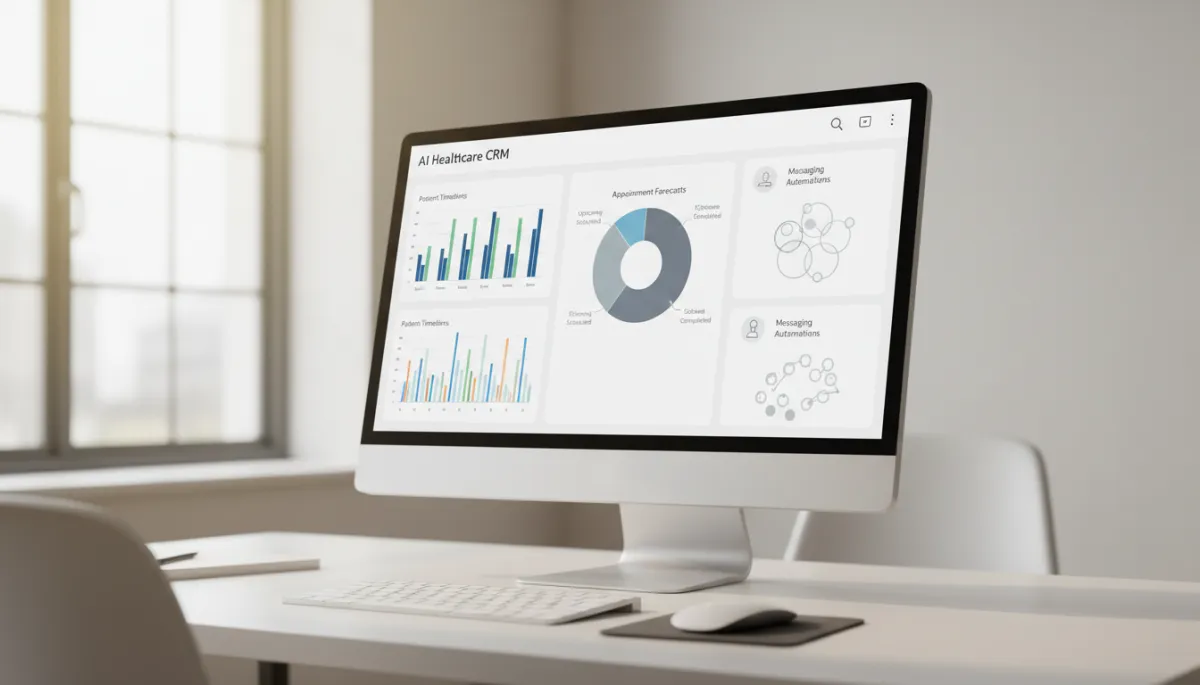
Smart CRMs give clinics real-time visibility into leads, follow-ups, and appointment health.
Outsourced Call Centers Reinvented with AI
Outsourced call centers have long been used by healthcare providers to handle overflow and after-hours calls. In 2026, AI has fundamentally reshaped how these centers operate. Rather than relying solely on human agents following static scripts, modern medical call centers are orchestrated by AI that prioritizes calls, surfaces patient histories, and recommends responses in real time. Human agents are supported by AI voice analytics that detect sentiment, urgency, and potential risk, helping them respond more effectively and escalate when necessary.
For dental and medical practices, AI-augmented call centers mean better coverage with consistent quality. Every lead is logged into the smart CRM, follow-up tasks are created automatically, and appointment outcomes are tracked. This closed-loop process ensures that marketing investments translate into measurable patient visits rather than lost opportunities, supporting a more predictable pipeline of new and returning patients.
Modern Medical Marketing: Building Complete AI Growth Engines
While individual tools are powerful, the real transformation occurs when they are designed and deployed as a unified system. Modern Medical Marketing specializes in building these complete AI growth engines for dental clinics and healthcare providers. Drawing on the same principles driving the broader AI-in-healthcare market—projected to exceed $100 billion in the coming years, according to MarketsandMarkets and Grand View Research—they architect integrated solutions that connect marketing, communication, and scheduling into one cohesive engine.
A typical AI growth engine combines targeted digital campaigns with AI chat on WhatsApp and Instagram, AI voice agents on the phone line, a healthcare-optimized smart CRM, and an AI-enabled outsourced call center. Every inquiry, regardless of channel or time of day, is captured, nurtured, and guided toward a booked appointment. Automated reminder sequences, intelligent rescheduling flows, and predictive no-show modeling ensure that those appointments actually happen, not just appear on the calendar.
From More Appointments to a Fully Booked Schedule
The impact of these AI systems is tangible. Clinics using AI-driven patient management tools report more inquiries converted into consultations, higher treatment acceptance, and stronger patient retention. Automated, personalized communication keeps patients engaged between visits and makes it simple to book, confirm, or adjust appointments. By reducing friction at every step of the journey—from first social media message to post-treatment follow-up—clinics see a steady rise in completed appointments, not just scheduled ones.
In practical terms, that means more filled chair time each day, fewer costly gaps caused by cancellations, and a schedule that can be forecast with confidence. For busy dental and medical teams, AI does not replace human care; it amplifies it. By handling routine communication and logistics at scale, AI allows clinicians and staff to focus on what they do best: delivering excellent, personalized care. With partners like Modern Medical Marketing orchestrating these AI growth engines, forward-thinking clinics in 2026 are transforming technology into a sustainable competitive advantage—and into consistently full appointment books.
